You would think new buildings should be free from mold, but in fact, mold in new construction occurs more often than you’d expect.
In a 2023 study, about 12% of new homes had mold growth. Everyone wants to believe a new build means dry and free of such trouble, but modern construction methods sometimes act as a catalyst for mold development.
Strict building deadlines, wet weather, and tight building envelopes can provide the perfect conditions for mold growth long before anyone moves in. Keeping mold out is not just about keeping the air clean; it’s about protecting the structure and ensuring it lasts.
In this article, we will explain why mold shows up in new construction and how to prevent it
Is Mold Common in New Construction?
Yes, many new homes and commercial buildings end up with high moisture content while the crew is installing drywall. If rain soaks the materials and they aren’t dried out before getting covered, mold starts creeping in under the floors, inside the ceiling, and behind the walls. It is typically not obvious, but it is there, slowly growing
.
New buildings are even more at risk because they are built to be air-tight to save energy. While that is great for your HVAC system, it traps moisture, which can persist long enough for mold to begin growing. This is why some homes develop mold problems just weeks after completion.
What Causes Mold in New Construction?
Oftentimes, these are the major reasons mold occurs in new construction:
Moisture Handling
Weather is a major factor here, and how you handle moisture in such conditions determines mold risk levels. Whether it’s rain, humidity, insulation, or even groundwater, it can soak up the wood and other building materials if left unprotected.
Tight building schedules
Some buildings are constructed on a tight schedule, and if workers put up drywall before framing and insulation are properly dried, they can trap moisture inside the wall and promote mold growth.
Ventilation
Ventilation is another major player at work. Some sites barely get aired out during or after construction. This is a bigger problem in humid places and can encourage mold growth.
Design flaws
Bad installations and design flaws, such as kissing vapour barriers, leaky windows, and poor drainage, are all reasons for mold growth. These bad practices can let in moisture and keep it there.
HVAC systems
HVAC systems can leak moisture into the building if they are used during construction. If the system is not built to manage humidity, mold can move in fast.
Should I Worry About Mold Behind Drywall?
Mold behind drywall is a cause for concern, as it is very easy to miss. Drywall practically feeds mold as it is full of paper. With just a little moisture, mold can start growing quickly, but it remains tucked away from sight until it gets bad.
Mold is especially dangerous because it releases spores and other allergens into the air, which can cause breathing problems, trigger allergies, and lead to a host of health problems.
Since it stays invisible for a while, it can spread for a long time before you notice anything. By then, fixing it can be messier and will cost more. Discovering it early is extremely important, but it is far easier to prevent mold from growing in the first place than to tear down walls and clean up after it has taken over.
How to Check for Mold in a New Build?
Checking for mold in a new home isn’t about looking around. Stains and musty smells can tip you off, but you need to test for moisture to check for mold. Here are some ways to check for mold:
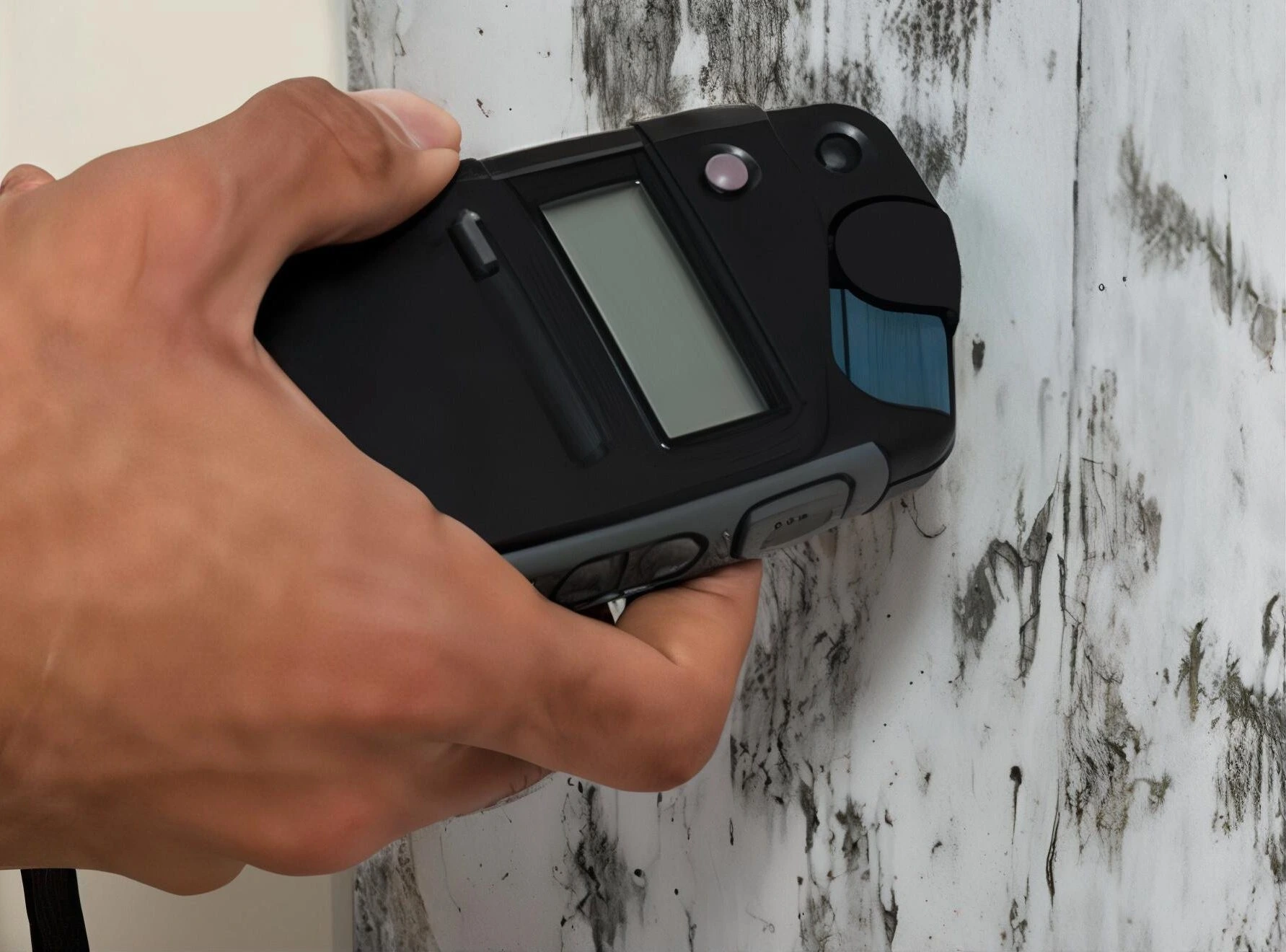
Moisture meters
Moisture meters are especially handy because they can measure how wet the drywall, framing, and subfloors are. If those specific materials are sealed while still damp, you might have a problem.
Infrared thermal imaging
It spots temperature changes that can indicate trapped moisture behind the walls. You could never notice such a thing on your own.
Taking samples
Professionals will take air or surface samples, especially when people are getting sick for no apparent reason. This can easily ascertain if there are mold spores or other allergens in the air.
Pre-drywall inspection
Carrying out pre-drywall inspection is an important part of the building process. This involves checking moisture levels and reviewing construction details before everything is covered up. At this stage, catching issues makes it less likely that hidden mold problems will go undetected.
How to Prevent Mold in New Construction
If you’re looking for how to prevent mold in new construction, here are some important steps to take:
Plan for the weather
Make sure to keep your materials off the ground and cover them. If they get wet, dry them out completely before use. Builders who skip proper drying time always run into problems.
Inspect your materials
Even after the materials have dried, check that the wood framing and sheathing are dry and at the correct moisture level before installing the drywall and insulation.
Ensure proper ventilation
Installing temporary fans and dehumidifiers during construction can help keep humidity in check, especially when the building is closed. After installing the HVAC system, make sure it is set up right, as it also helps control moisture.
Use mold-resistant materials
For some extra insurance, use mold-resistant materials like special drywall and treated wood that can handle moisture. These materials can help in spots that always seem damp, like bathrooms or basements.
Focus on the building envelope
Ensure vapour barriers and drainage systems are installed properly. Seal up gaps around doors and windows so that water has a harder time coming into the building.
When to Involve a Building Performance Professional
Bringing in a building performance professional really improves your chances of combating mold in new buildings. Such professionals don’t just fix one problem but take the entire picture into account. They pay attention to how moisture, air, and energy flow into the building and how each factor contributes to the building’s performance.
You should have a building performance professional on-site from the start of construction. They typically go over the site before the drywall goes up, check for moisture, and inspect the building envelope for potential entry points for moisture.
If they spot mold risks, they know how to adjust the HVAC system or drainage to fit the climate. Builders and homeowners who want to make their building last and maintain good indoor air quality should involve a performance professional from the beginning. Such moves keep you from having to deal with expensive mold problems.
Frequently Asked Questions
How do you get rid of mold in a new build?
To get rid of mold, open windows on dry days for added ventilation. Also, heat the building to dry out damp spots and keep ventilation ducts open to allow proper moisture evaporation.
How common is mold in new construction?
Building scientists and professionals increasingly point to high moisture levels during early construction as a major cause of mold.
What kills mold permanently?
You can get rid of mold by mixing equal parts vinegar and water, then spraying it onto the moldy surface. Hydrogen peroxide is also a more effective remedy for removing mold.
Wrapping Up
Mold in new buildings can be prevented by prioritizing moisture control. What encourages mold growth during the building process and the preventive steps to take are key to protecting the structure and those who occupy the space.
Prevention is always more effective than remediation. Addressing mold risks early ensures that new buildings provide the comfort and health expected of a brand-new home. Having a building performance professional on site is imperative if you want to address mold risks on time.
Contact us if you’re looking for an expert to help you assess and control mold in new buildings.